Messenger


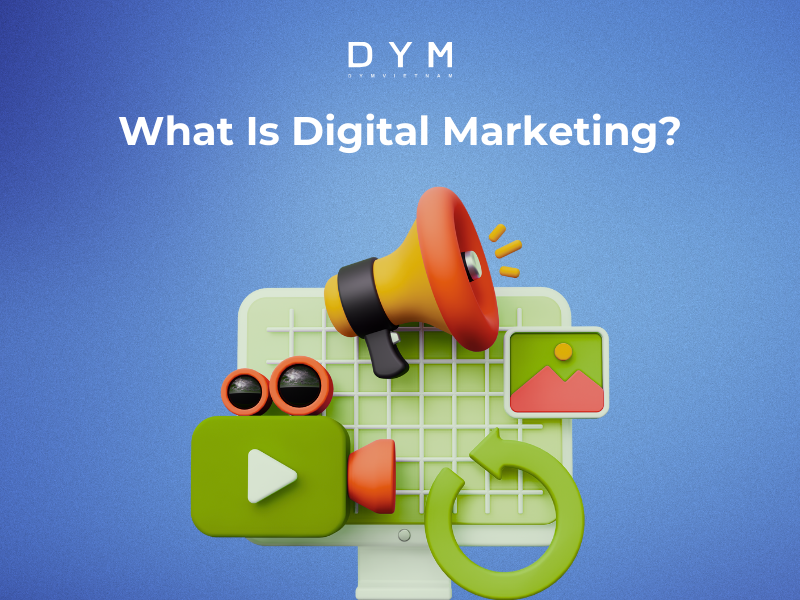
What Is Digital Marketing?
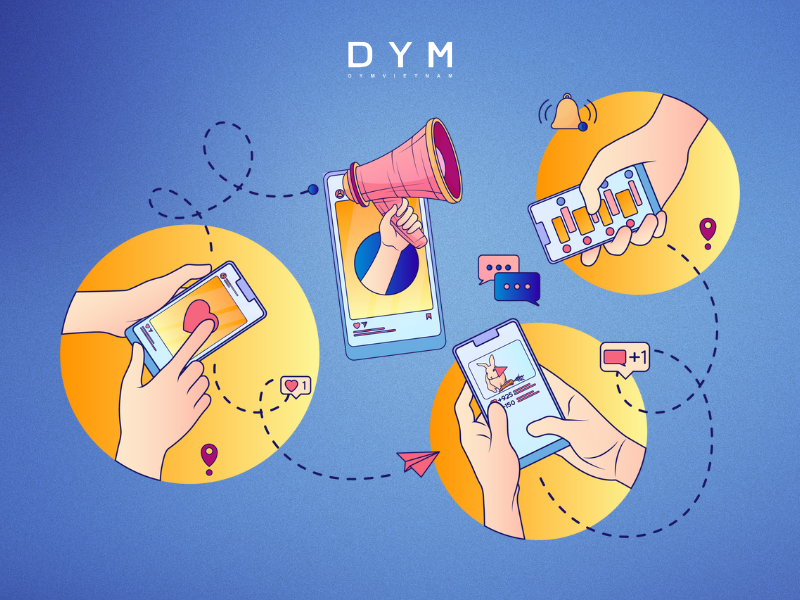
Digital Marketing refers to a collection of marketing activities that leverage digital channels—such as the internet, social media, email, websites, and mobile applications—to reach target audiences, build brand presence, increase engagement, and drive revenue.
According to Wikipedia, Digital Marketing includes not only online platforms like SEO, SEM, social media advertising, and email marketing, but also other digital channels such as SMS messages and phone calls.
What Advertising Channels Does Digital Marketing Include?
Digital Marketing is diverse and can utilize many platforms and tools to execute effective marketing strategies. Below are some of the most common channels:
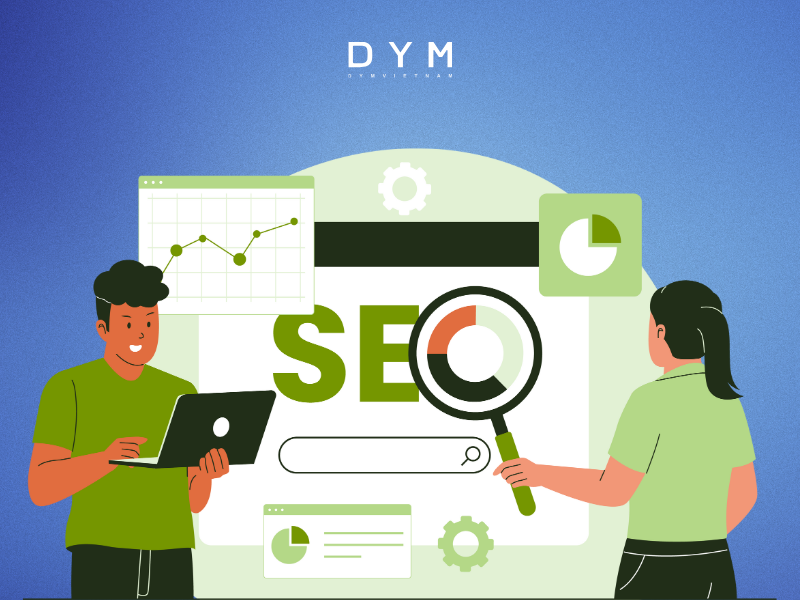
SEO (Search Engine Optimization)
Optimizing a website to improve its organic rankings on search engines such as Google, Bing, and Yahoo—helping attract high-quality traffic without paying per click.
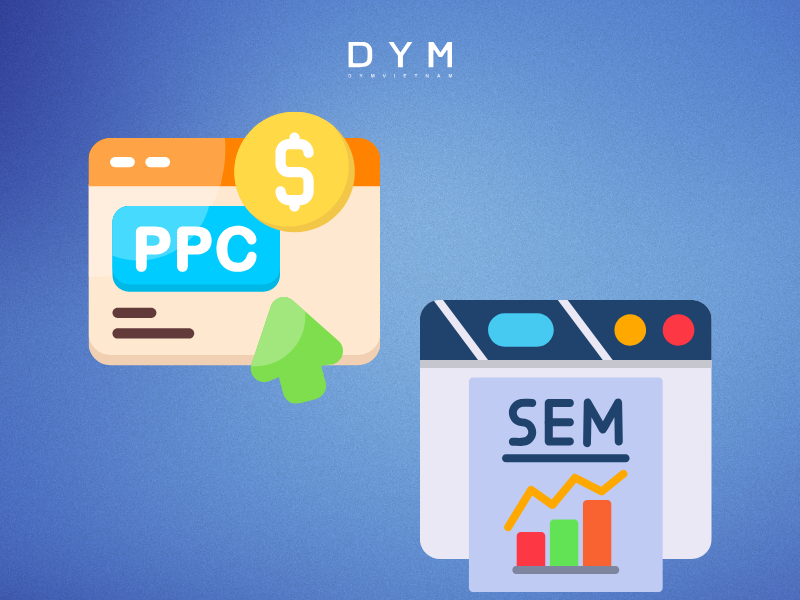
SEM (Search Engine Marketing) / PPC (Pay-Per-Click)
Paid search advertising on platforms like Google Ads, Bing Ads, and Yahoo Ads, allowing your website to appear instantly when users search for targeted keywords.
Content Marketing
Creating valuable content—such as blogs, videos, ebooks, and podcasts—to attract and nurture potential customers while building trust and authority for your brand.
Social Media Marketing (SMM)
Using social platforms like Facebook, Instagram, LinkedIn, TikTok, and Line to promote your brand, engage with audiences, and run targeted advertising campaigns.
Email Marketing
Sending emails to potential and existing customers to nurture relationships, announce promotions, share useful content, and drive conversions.
Affiliate Marketing
Partnering with affiliates and paying commissions based on user actions (purchases, sign-ups, etc.) generated through their referral links.

Display Advertising
Running banner ads, images, and video ads across websites and apps—often through automated ad-buying systems such as programmatic advertising.
Marketing Automation
Using tools to automate tasks like email sequences, customer segmentation, and lead nurturing based on user behavior and data.
Influencer Marketing
Collaborating with influencers to promote your brand or products to target audiences through authentic content they create on social platforms.
The Origins of Digital Marketing?
Digital Marketing emerged alongside the explosive growth of the internet and digital technologies in the late 20th and early 21st centuries. As more people began using computers, smartphones, and the internet, businesses quickly recognized the immense potential of online marketing.
- During the 1990s–2000s, search engines, email, and websites started to expand rapidly, creating new opportunities for digital advertising.
- From an academic perspective, Digital Marketing is seen as the natural evolution of traditional marketing — moving beyond offline channels such as TV and print into the online environment.
- The advancement of technologies such as mobile devices, social media, and big data analytics rapidly accelerated this shift, making Digital Marketing an essential component of every modern business strategy.
Liên hệ DYM VIETNAM ngay! Contact DYM VIETNAM here!
The Importance of Digital Marketing in the 4.0 Era
In the Industry 4.0 era, Digital Marketing plays a critical role in enabling sustainable business growth.
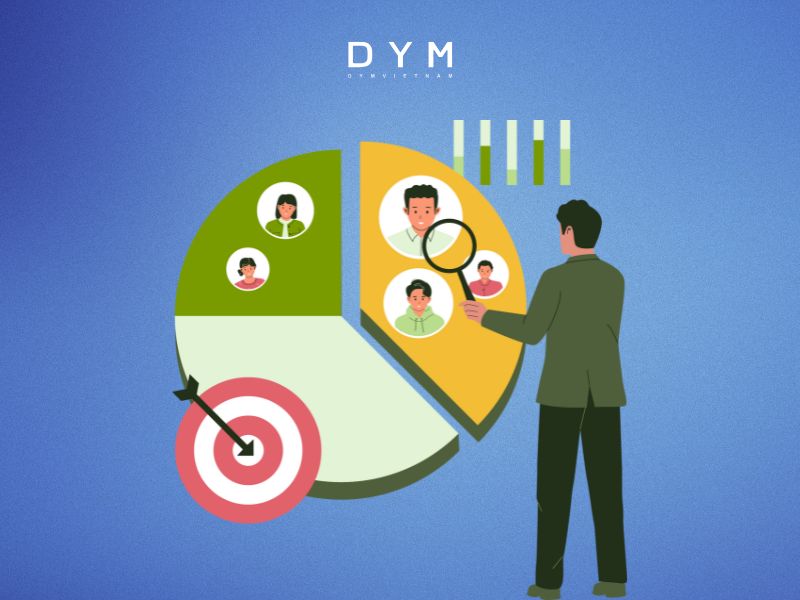
Reach Target Customers More Effectively
Digital channels allow businesses to target audiences by age, interests, geography, and behavior—maximizing marketing budgets and improving campaign performance.
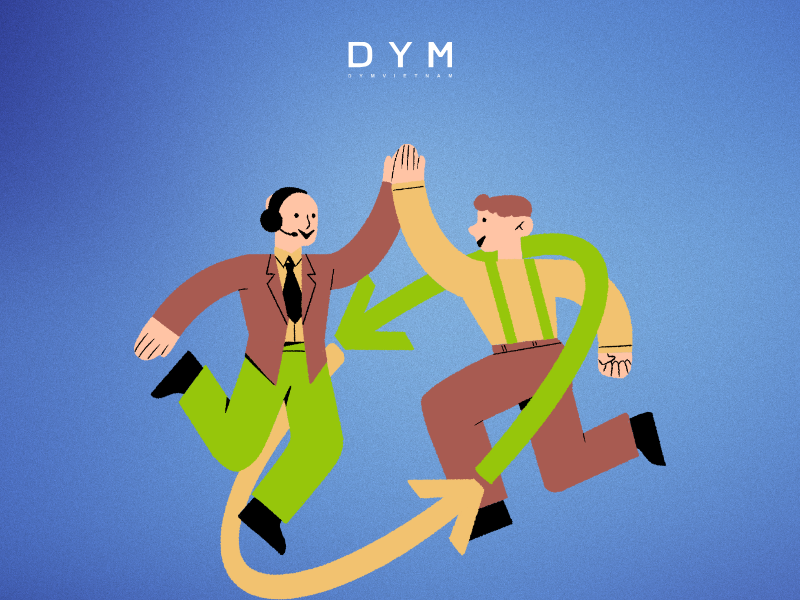
Enable Two-Way Interaction & Stronger Relationships
Unlike traditional marketing, Digital Marketing enables direct communication with customers through social media, email, or chatbots, helping businesses build long-term relationships and customer loyalty.
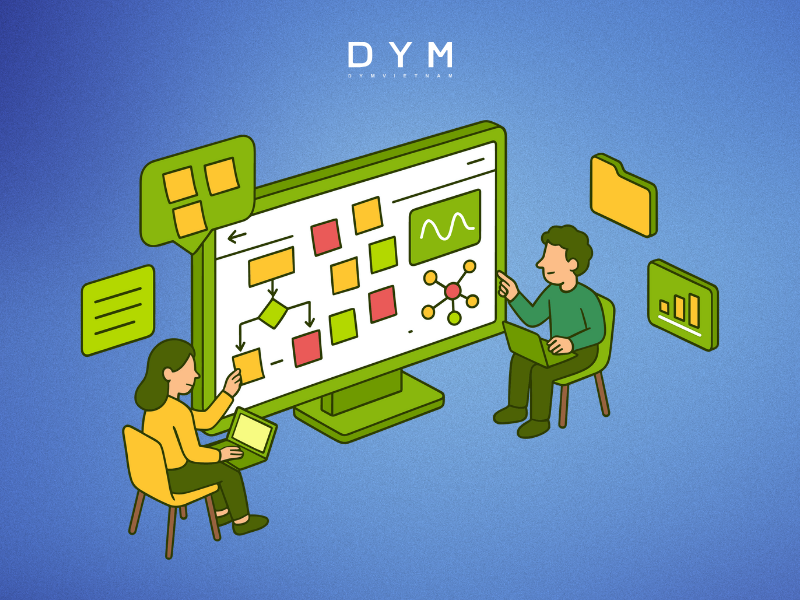
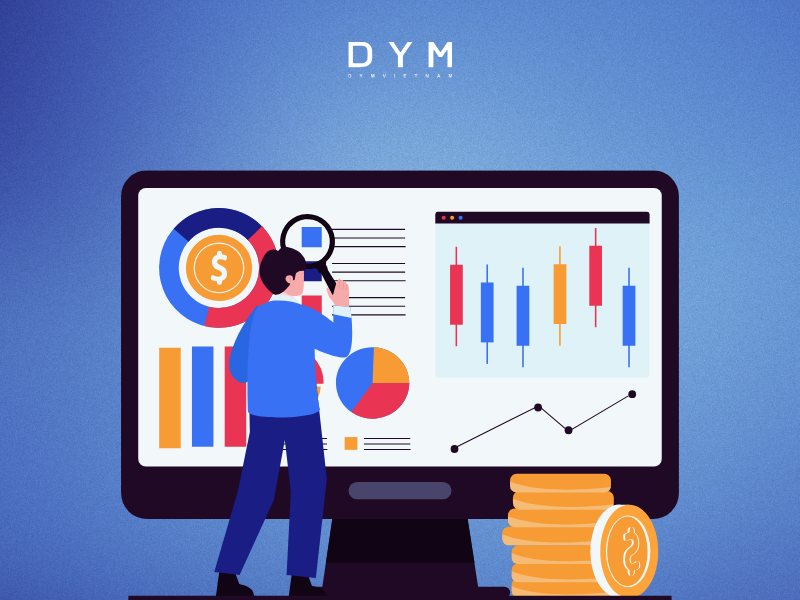
Track & Analyze Campaign Performance
Metrics such as ROI, CTR, and conversion rate can be measured instantly and accurately.
This allows marketers to adjust strategies in real time and optimize performance continuously.
Flexible Costs & High Optimization Potential
Compared to traditional marketing, Digital Marketing is often more cost-efficient—for example, delivering lower cost per lead.
Businesses can run small test campaigns, measure performance, iterate, then scale up intelligently.
Increase Conversions & Revenue
With strong content and well-targeted advertising strategies, Digital Marketing guides potential customers through the entire funnel—from awareness → interest → consideration → purchase.
Adapt Quickly to Technological Trends
As new technologies emerge (AI, big data, automation), Digital Marketing integrates and leverages them easily, helping businesses stay competitive in the digital transformation era.
Conclusion
Digital Marketing is an indispensable component of modern marketing strategies. By leveraging digital channels such as SEO, social media, email, and display advertising, businesses can reach target audiences more effectively, build stronger customer relationships, and measure campaign performance with precision. The rise and evolution of Digital Marketing are closely tied to global digital transformation. In the 4.0 era, its importance continues to grow—enabling businesses to stay agile, reduce costs, optimize strategy, and achieve sustainable growth. If you want your business to thrive in the digital age, investing in Digital Marketing is one of the smartest decisions you can make.
DYM VIETNAM’s “Advertising Operation Services” page here.